Scrum ​ , our agile framework for value-added development

Scrum is an agile project methodology we use at Softhouse to ensure flexibility, quality and fast delivery of value to our customers. The methodology is based on short iterative work periods – sprints – where teams collaborate closely, learn quickly and adapt to changing requirements.

What is Scrum?

Scrum is a framework for managing complex development projects through short cycles (sprints of 2–4 weeks). The goal is to continuously deliver value, increase transparency and improve collaboration between all project stakeholders.

In our version, this means:

  • Focus on customer value in each sprint.
  • Cross-functional teams that take responsibility for the entire delivery.
  • Continuous feedback and improvement through regular meetings.
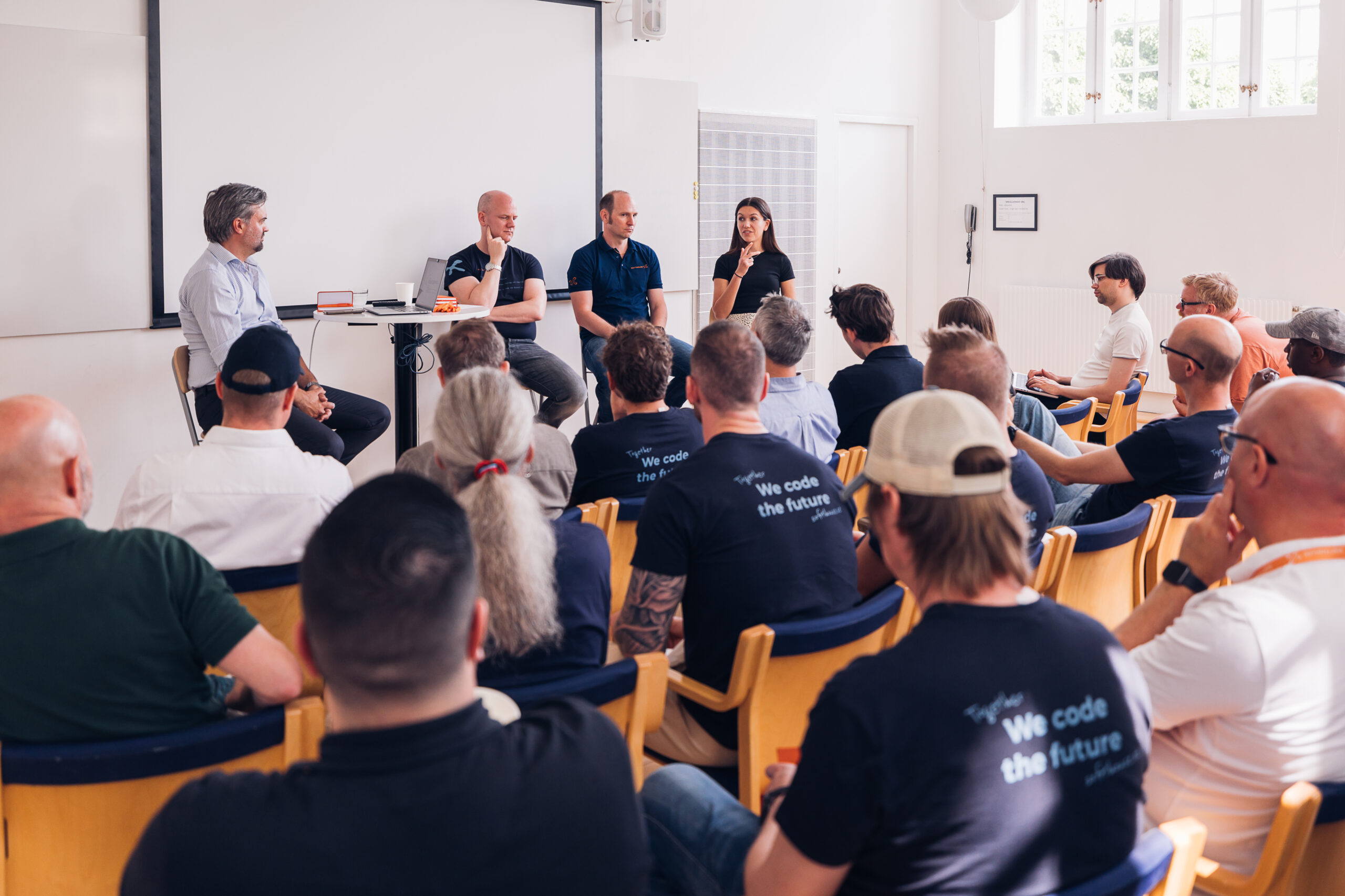
Höstens event på Softhouse

Scrum in 5 minutes

Kanban in 5 minutes

Roles in Scrum

In our working method, we define three central roles:

Product Owner: Responsible for the product vision and priorities.

Creates and prioritizes the backlog based on business and customer value.

Scrum Master: Facilitates the team’s work and removes obstacles.

Supports the team in following the Scrum principles and improving collaboration.

Development Team: Cross-functional team that does all the work to deliver the sprint results.

Self-organizing, which means that the team plans how to achieve the goals themselves

Ceremonies in Scrum

To keep the pace and collaboration efficient, we have the following recurring meetings:

✔ Daily stand-ups

Short meetings where the team syncs status:

  • What did I do yesterday?
  • What am I doing today?
  • Are there any obstacles?

✔ Sprint Planning

The team plans the upcoming sprint and defines sprint goals based on the backlog.

✔ Sprint Review

We present the sprint deliverables to stakeholders and collect feedback.

✔ Retrospective

The team analyzes how the sprint’s work went and identifies improvements for the next sprint.

Sprints – the heart of Scrum

A sprint is a time frame – typically 2-4 weeks – where the team:

Plans what needs to be done (Sprint Planning).

  • Works on the tasks.
  • Demolishes the results (Sprint Review).
  • Reflects and improves (Retrospective).

Each sprint ends with a potential deliverable that can be presented to the customer or stakeholders.

Artifacts in Scrum

Scrum is built on transparency and visibility through the following artifacts:

Product Backlog
A prioritized list of everything that can create value for the customer — constantly updated by the Product Owner.

Sprint Backlog
The items from the Product Backlog that the team has chosen to work on during the current sprint.

Increment
The cumulative result of sprints that is potentially ready for use.

How we work practically with Scrum

We adapt Scrum to the project’s goals and the customer’s situation, but always with a focus on:

  • Frequent feedback and customer involvement
  • Short delivery cycles
  • Visibility of work through visual tools (backlogs, boards)
  • Continuous improvement and learning

This allows us to deliver value faster and react to changes effectively, while maintaining quality in the solution.

Learn More

Want to delve deeper into how Scrum works in practice and how we apply it to our customer projects?

View our guides in the Knowledge Hub or contact us directly for support in agile transformation.

Things we have done

  • Från pionjärer inom maskininlärning till framtidens AI-lösningar

  • Förutsägelse av elnätsavbrott med maskininlärning

Explore the possibilities

Tell us briefly about your project or needs – we’ll help you find the right way forward, with no obligations.