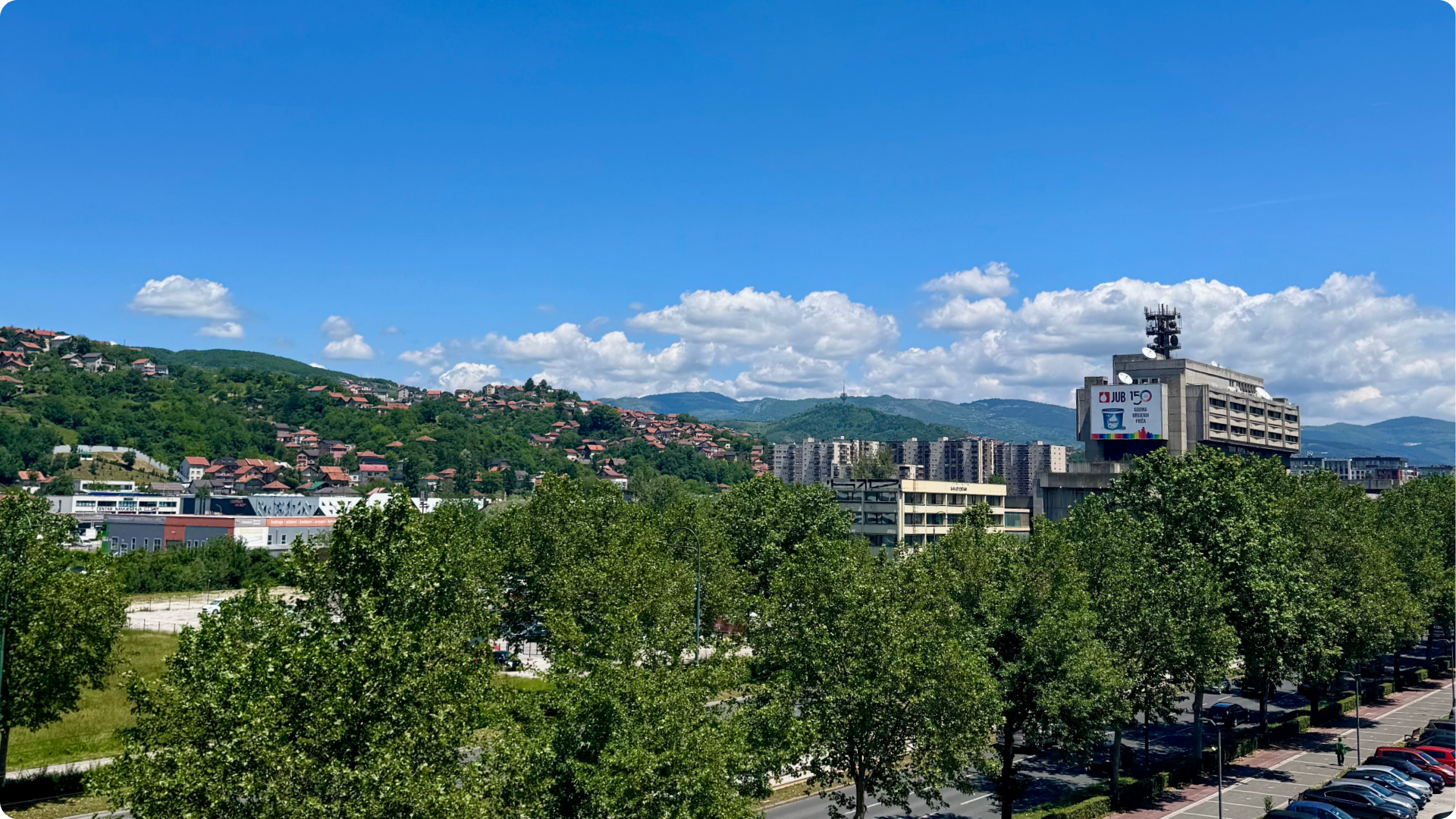
As Softhouse celebrates 30 years, we look back on a journey that is mostly about people. One of those who has made the strongest impact is Himzo Music, the CEO of our Sarajevo office, which he helped found a decade ago. His driving force has always been to build something bigger than just software.
Behind Himzo’s warm leadership and strong drive lies a history shaped by both sorrow and an immense will to survive. At 17, he was forced to flee the war and his hometown of Prijedor in northwestern Bosnia—an idyllic place that turned into a city with horrific concentration camps where many, including Himzo’s own family, lost loved ones. Together with his mother and little brother, he lived as a refugee in Croatia for a year before finally arriving in Sweden in the spring of 1993 to build a new home.
From taxi driver to tech pioneer – and the desire to build bridges
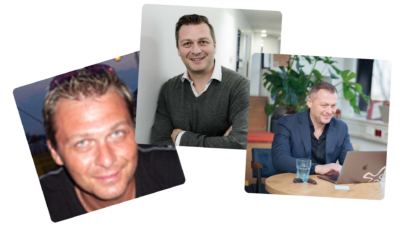 The will to build a good life for his young family was unbreakable. He spent his nights behind the wheel as a taxi driver, making it possible to study during the days. His ambition took him into the tech world, where he quickly proved to be an exceptionally sharp coder. In the early 2000s, he was actually one of the few people in all of Europe developing mobile apps, writing plenty of early Android code.
His deep technical expertise led him to develop the algorithm behind one of Sweden’s very first mobile apps – a music recognition service. It was later picked up by Sony Ericsson and launched as TrackID. The feature became groundbreaking and was eventually used in millions of mobile phones around the world. But despite the technical brilliance, there was always a strong desire to build something more.
When he walked through the doors of Softhouse Malmö in 2011, he found the right environment. The company culture, with its freedom, warmth, and strong entrepreneurial spirit, was exactly the missing puzzle piece he had been looking for, and Himzo took on increasing responsibility for both teams and deliveries.
After a couple of years at the company, his desire to use his unique background for something even bigger grew. He carried a strong longing to be able to work and spend time in both Bosnia and Sweden. The vision was crystal clear: to take the very best from both worlds to create real impact—not just in business, but by building long-term value for people for real.
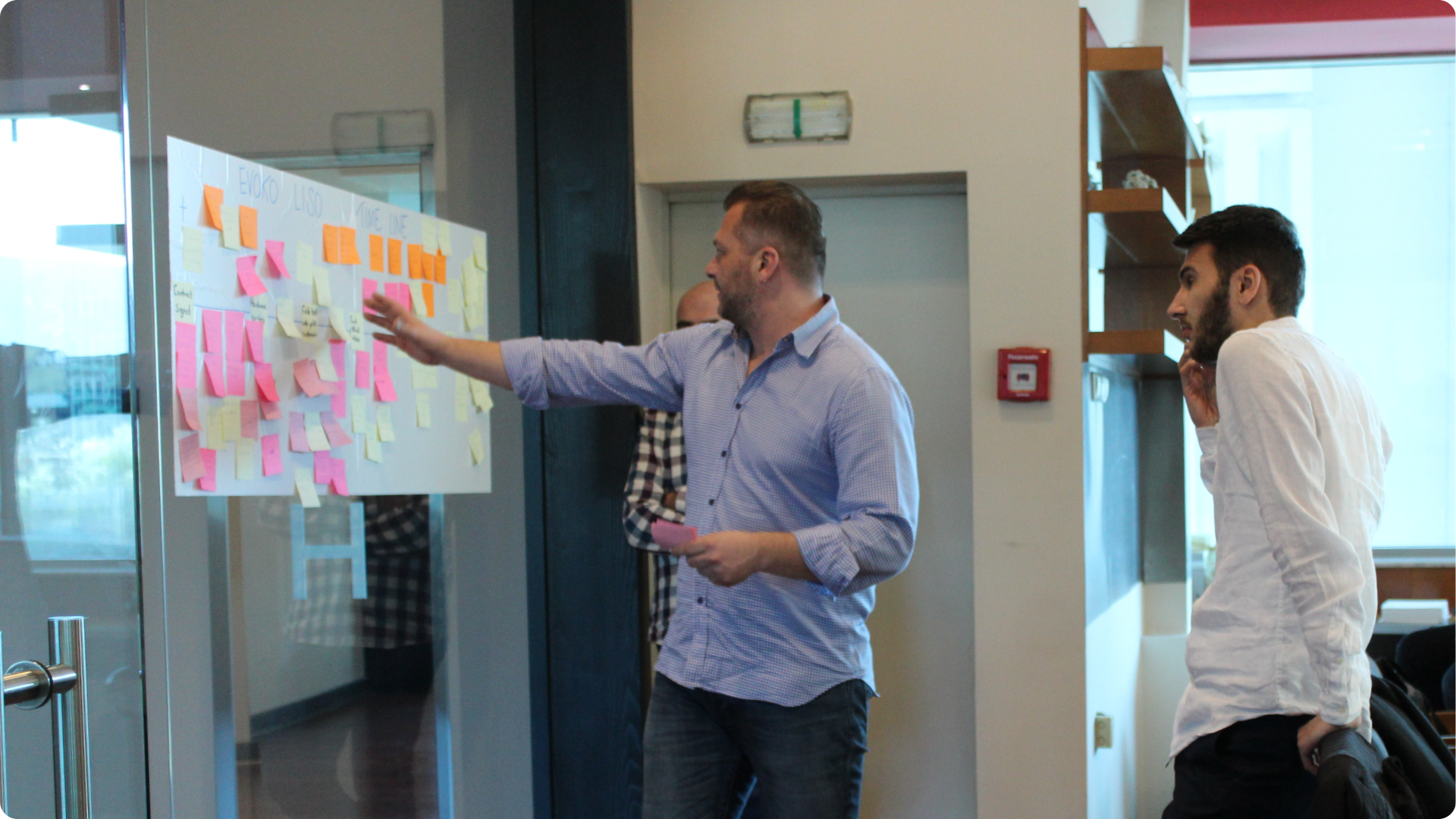
The opportunity to turn this vision into reality appeared during a chat by the coffee machine. Someone mentioned that Softhouse should look for new, international alternatives, and Himzo raised his hand immediately.
“I wanted to build a bridge between two worlds and show how good we can be together. To take the Scandinavian way of handling people and business and build it in Bosnia,” Himzo says.
When The Softhouse Way came to Sarajevo
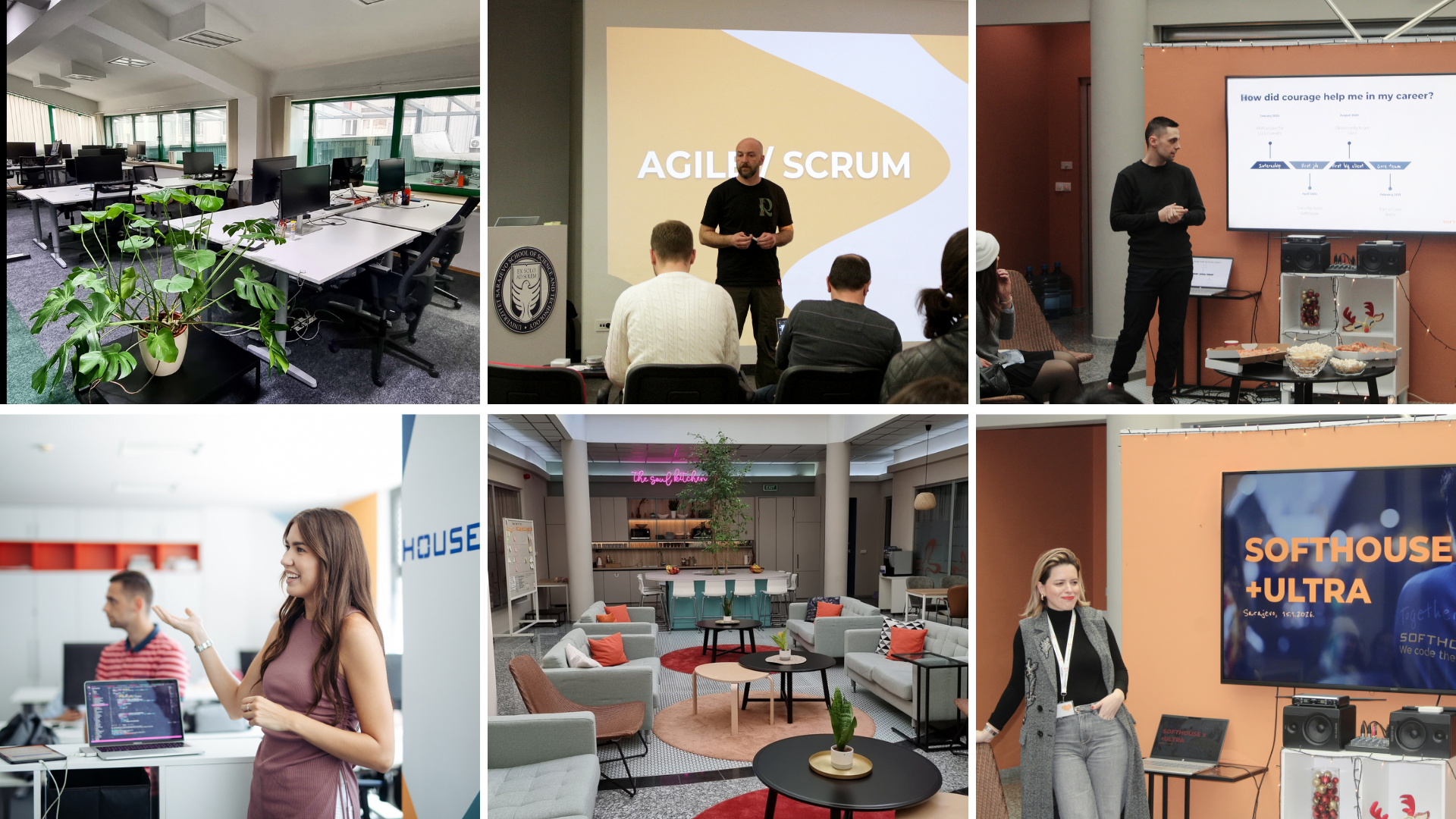
The idea by the coffee machine was the starting point, and in 2015 they officially launched the office in Sarajevo. However, building a company in Bosnia with a completely Swedish corporate culture was not a given. Instead of hierarchies, they introduced consensus, unpretentiousness, and extremely high trust.
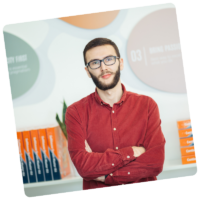 This is an environment where people take real ownership. Senad Zaimovic, a senior software engineer who has been with the Sarajevo team since 2016, values exactly this mix of deep technical work and a supportive culture.
“When I think of Softhouse, the first thing that comes to mind is the combination of freedom and trust,” Senad explains. “Early on, I remember being able to take ownership of problems and approach them in my own way, while knowing there’s always a strong team behind you if things get complicated.”
Building trust, conversation by conversation
This culture is not something that just happens; it requires active, human-centric leadership. Dina Siber, Chief Operating Officer at the Sarajevo office, navigates this every day. Her role changes constantly—some days are about strategy and business, while others are about listening, coaching, and having honest conversations with colleagues. 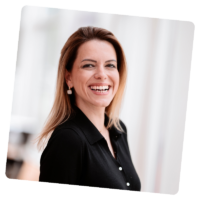
“What I am most proud of is not a business result, it is the culture we continue building together,” Dina says. “Looking back, trust here is not something that was handed to me; it was built, conversation by conversation, decision by decision. With colleagues, with clients, with the team that I am a part of. This is a place where you can bring your full self, not just your title or your expertise”.
Waiting for the catch that never came
For Himzo and the team, it is about seeing the whole person. Programming skills are expected, but how you behave and how you drive things forward are what truly matters. Himzo is enormously proud of his team and the strong community that has emerged. It’s a culture where colleagues hang out just as much in their free time as at work, drive their own initiatives, and always lend a helping hand to each other.
“People stand up for each other and the company, which makes me so proud. They don’t do it because they have to, but because they want to and thrive here,” Himzo explains.
Initially, there was a certain unfamiliarity with this soft leadership style. Himzo fondly remembers Nermin, the very first senior developer they hired.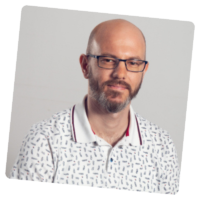
“He didn’t say a word for two months,” Himzo recalls. “He was incredibly skilled, but completely silent. Then one day, the dam broke. He explained that he thought everything sounded good, but he had been waiting for a ‘catch’. He simply didn’t believe that
we actually took care of each other for real. When he realized there was no catch, he completely opened up”.
Belonging and 30 years of future
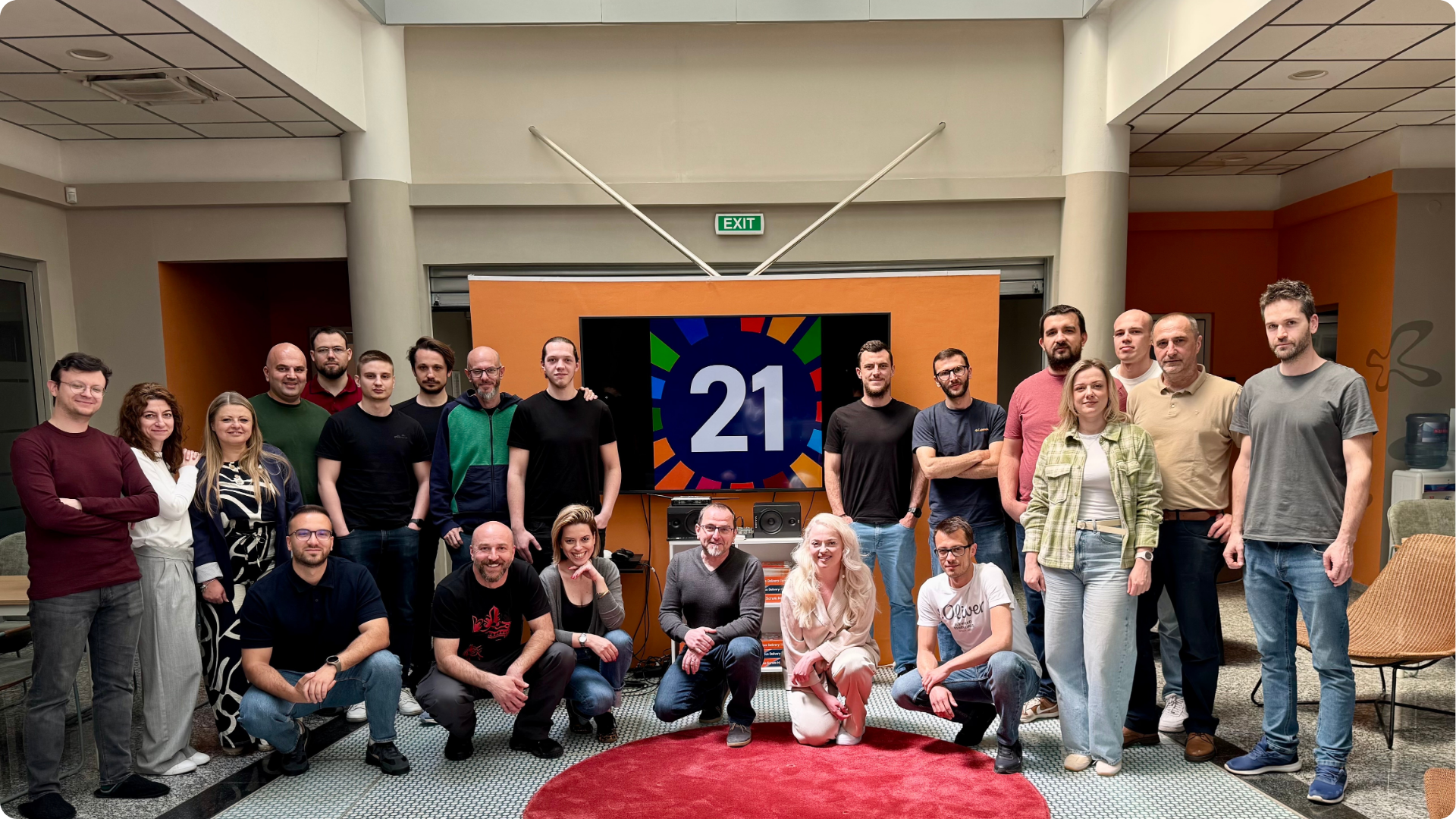
Today, this investment in people has created a remarkably tight community, reflected in an extremely low staff turnover of just 3 percent. When asked to describe his colleagues, Senad chooses the words “Reliable, curious, straightforward”. Dina agrees, adding her own three words: “Professional. Trustworthy. Caring”.
“What makes our team special is the combination,” Dina explains. “People who are very skilled and take pride in their craft, but who also never think twice about stopping what they are doing to help someone else. There is no ‘that is not my job’ here. There is ownership, there is openness, and there is a kind of warmth that you cannot manufacture”.
After 15 years at Softhouse, Himzo’s bonds to the company are incredibly strong. As Softhouse celebrates 30 years, he notes warmly that it’s all about belonging. And when asked to describe his Sarajevo office in just three short words, there is no doubt about how he feels about the place and the people there:
“Home, love, pride”.
About Bosnia today: Bosnia is located in Europe, a two-hour flight from Sweden, in the same time zone. About 100,000 Bosnians live in Sweden and are well integrated into Swedish society.