The year was 1996, and the consulting industry was tough. For Staffan Persson, who had recently gotten married and was expecting his first child, life as a consultant at his previous employer was far from sustainable. As a newly graduated developer, he was often sent away on long assignments in Norway. He rarely got to come home to his family, worked late evenings, and lived in a time before mobile phones and personal email addresses made it easy to stay connected with loved ones. Support from the employer was limited at best. Staffan and his colleagues had had enough. They decided to build something better.
When Staffan, Tord, and Micke founded Softhouse, there was no polished business plan filled with trendy buzzwords. The motivation was much simpler than that. They wanted to create a workplace where people were not exploited. A place where consultants could work closer to home and where people genuinely cared for one another. That sense of care became the foundation of the company culture we still live by at Softhouse today.
Pizza, beer, and hand-pulled cables
But the early years were uncertain. In the beginning, the company operated without salaries and was financed through start-up grants and personal savings. At the same time, Staffan and his wife had just welcomed their very first child.
“It was pretty tough. We couldn’t take out salaries and had to live off our savings,” Staffan recalls. “We were nervous, of course, but fairly quickly we started getting assignments. Since we didn’t have anyone responsible for finance, I was the one paying bills and managing that Excel budget sheet that stayed with us for many years.”
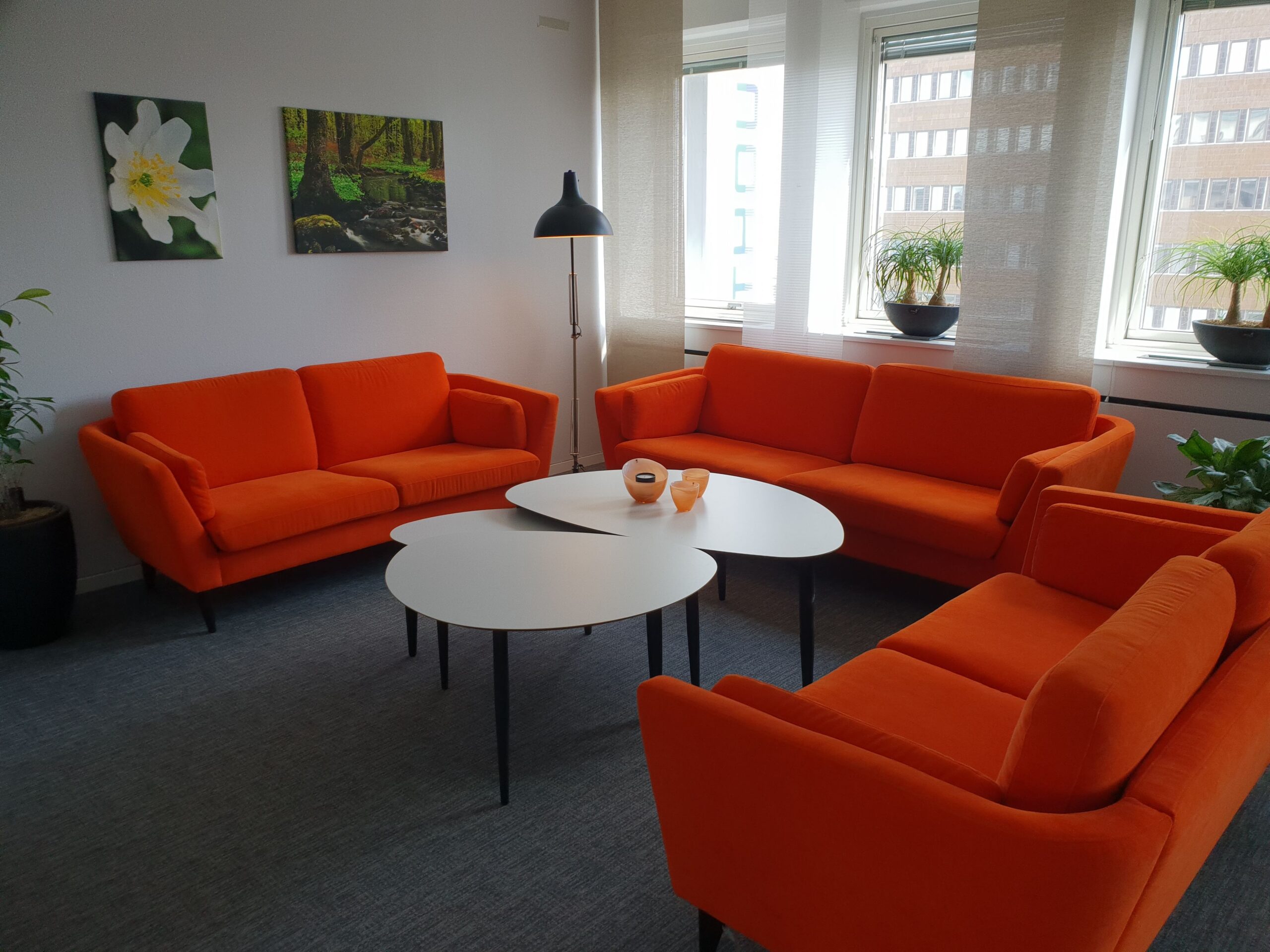
When the team finally got their first real office on Stormgatan in Malmö, everything was done by hand.
“We gathered everyone one weekend, bought pizza and beer, and pulled all the network cables ourselves. Then we drove to IKEA, bought furniture, and carried everything back ourselves,” Staffan remembers.
Doing things together — for real — has always mattered. As Softhouse grew, the founders chose to develop leaders from within. By allowing employees to grow into new roles themselves, they ensured that the warm and family-like culture continued to live on.
Building better teams with LEGO
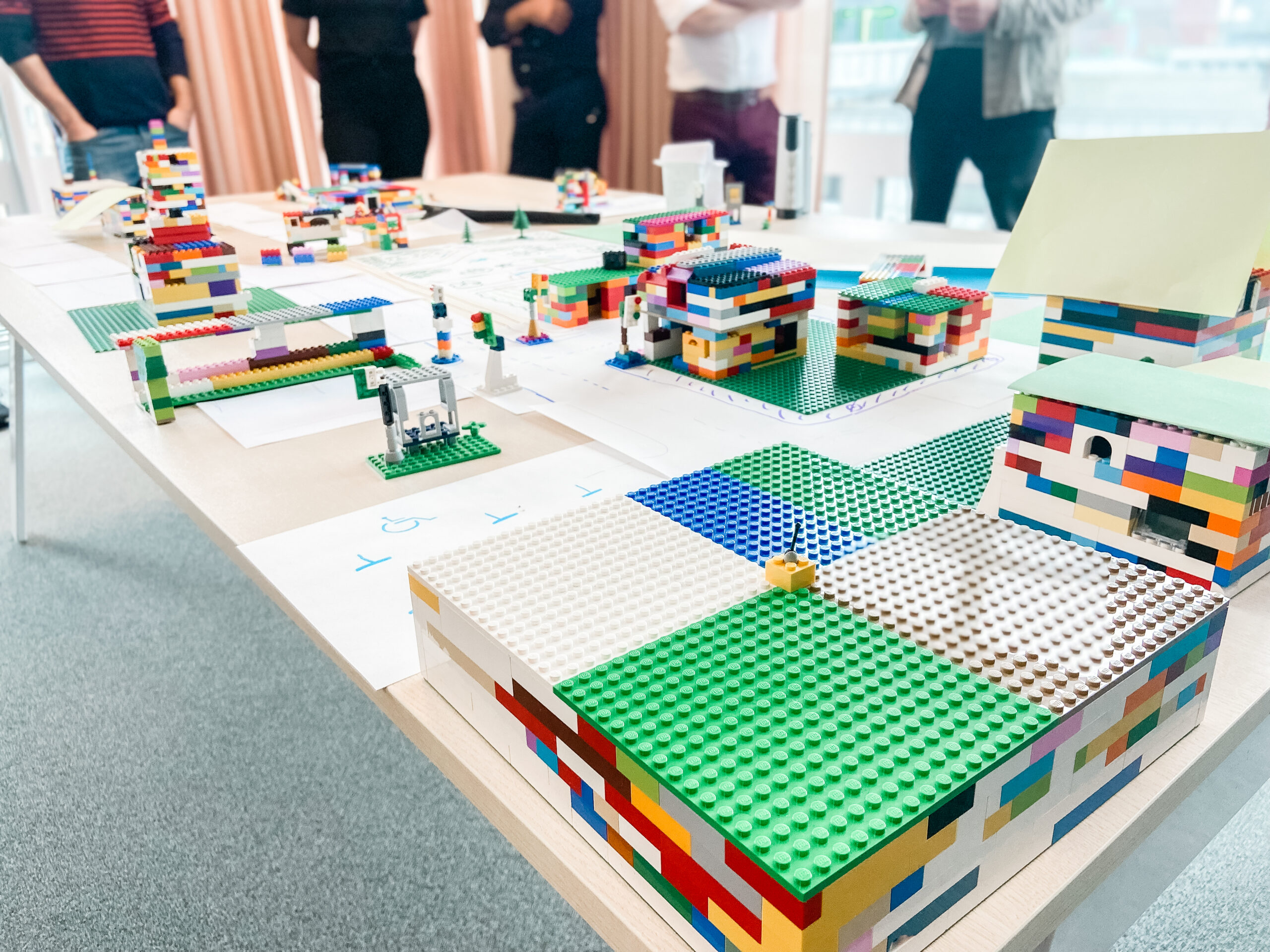
Another defining part of Softhouse’s 30-year journey is agile development. For Staffan personally, education quickly became a major focus. Since the late 1990s, he estimates that he has trained more than 4,000 people. And perhaps his most appreciated tool for explaining complex processes is surprisingly uncomplicated: LEGO.
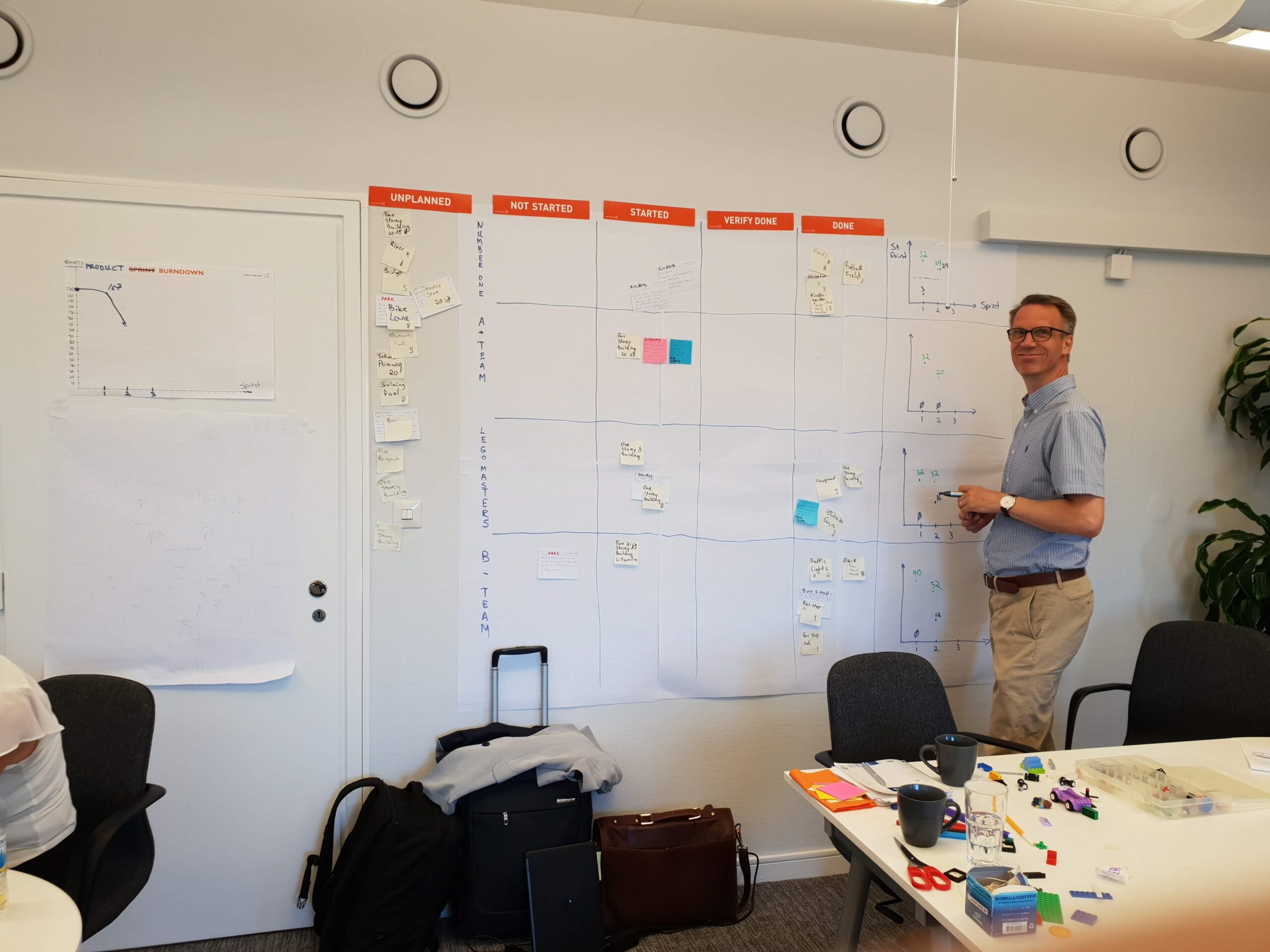
Instead of relying on heavy theory books, Staffan lets participants build an entire LEGO city to practice agile ways of working. The visual and hands-on approach pulls people out of their everyday routines and creates engagement almost instantly.
“We try to learn through hands-on, practical experience. Everything doesn’t always need to be extremely structured for people to learn,” Staffan explains. “The LEGO exercise can feel a little chaotic in the beginning, but everyone ends up having a real aha moment.”
A new technical landscape — but the same human needs
When Staffan compares the consulting industry today to what it looked like in 1996, the contrast is enormous in many ways. The technology and working methods are worlds apart.
“Back then, we had a physical server in the office that we practically had to pet and make sure the room stayed cool enough,” Staffan laughs. “And every customer worked in waterfall projects.”
Today, everything runs in the cloud and almost everyone works agile. The relationship with customers has also changed significantly. In the past, consultants were often brought in as extra resources in existing projects. Today, Softhouse builds long-term partnerships and takes much broader responsibility for the bigger picture.
But what has remained surprisingly similar? The answer comes quickly: the business model itself. Despite the industry’s many attempts to charge based on delivered value, consulting still largely revolves around hourly billing. And customers’ core needs remain exactly the same as they were back then — companies turn to consultants because they need expertise they do not have themselves, and because their needs are bigger than what they can handle internally.
Humanity moving forward
A lot has changed since Staffan wrote his last commercial line of code in a project for Skånetrafiken more than twenty years ago. But when he reflects on the journey from three employees to more than 300, he sums it up in two words: humanity and stability.
In his day-to-day work, Staffan is still very much active as a consultant working closely with customers. Alongside client assignments, he remains a trusted strategic voice on the board and continues driving internal initiatives aimed at evolving the consulting business. And whenever the opportunity arises, he is still more than happy to teach.
Looking ahead, what matters most to him is that the next generation dares to carry the culture forward.
“If it’s going to work, people need to be trusted with responsibility and allowed to make their own decisions. You have to let people continue in the same spirit,” he concludes.
Because just like 30 years ago, real value is only created when technology is placed in the hands of people who support one another.